
Invoice Copy in the United Kingdom
An invoice copy refers to the situation where an identical version of the invoice is created. It is basically a duplicate copy of the original invoice. So, this means that the content and information, layout, formatting, and everything in the invoice copy are the same as on the original invoice.
The invoice can be copied in hard or soft form. Next will be a discussion on these forms of the invoice.
Hard Copy Invoice
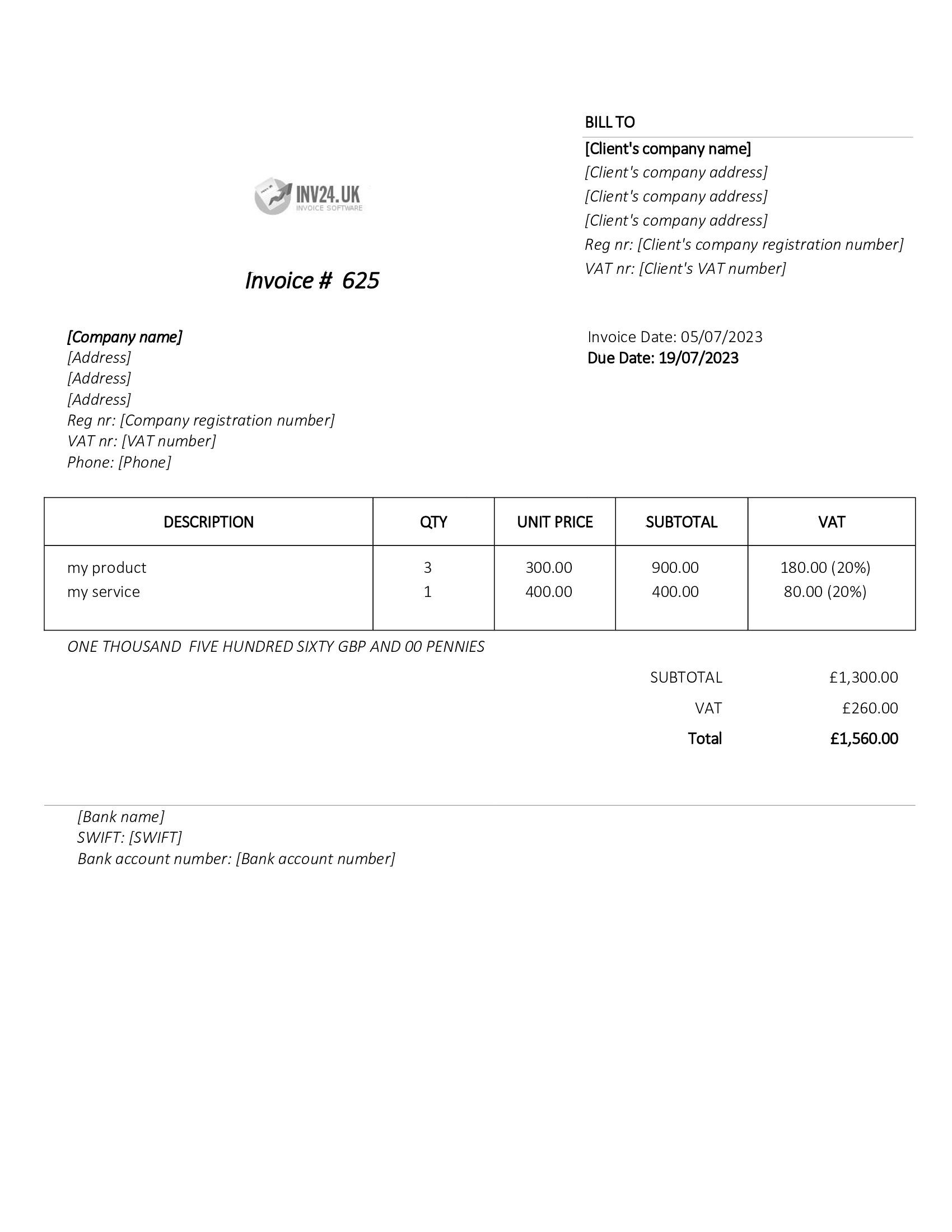
A hard copy invoice is when the invoice is copied and printed on paper. It is a traditional form of the invoice and is used to review the content as well as to send the bills. Using hard copy invoices is considered as an effective and efficient billing method.
There are, however, financial and environmental costs associated with using paper as a billing method. This is why this method should only be chosen to be used if the related benefits are expected to exceed the cost.
The next table shows the pros and cons of using hard-copy invoices as a way of billing:
Pros Cons Businesses do not need to rely on the Internet or computers to access their own business records. This makes it convenient and easier for businesses to access and use their business data. The business incurs financial costs in terms of buying the paper, printer, cartridges, and the employability of staff who are needed to physically create and print the invoice. Additionally, there is a cost associated with handling and storing large volumes of paper. As hard copy invoicing has been used for years, some people find the content of hard copy invoices easy to understand and review. A larger storage facility is required to preserve the sorted and sequenced paper invoices. Sometimes, the business may need hard copies of invoices in order to satisfy compliance requirements. In other words, in this situation, the business has no choice but to print invoices. Tracking specific invoices is less convenient and less efficient. This is because it may be time-consuming to locate specific invoices. Soft Copy Invoice
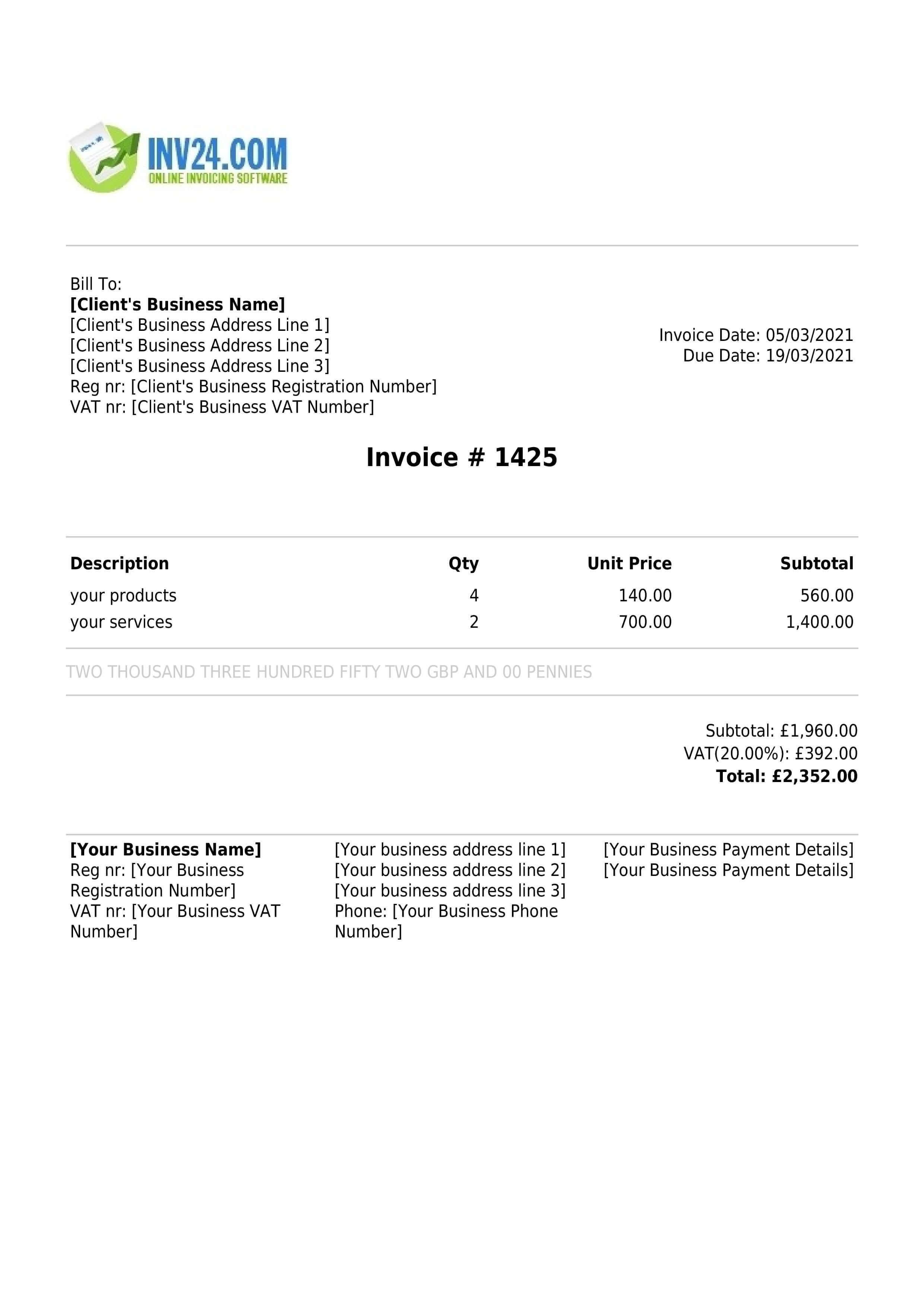
A soft copy of the invoice is created when the original invoice is copied in the computer using any digital formats. These formats include, PDF, Word, Excel, Google Docs / Sheets as well as others. These invoice formats are considered environment friendly as businesses are not required to cut trees in order to make paper. This also means a reduced financial cost involved in making soft copy invoices.
There is a downside however, as the digital security of these documents must be ensured and protected. This is necessary in the event that there may be internal issues with the server or external cyber-attacks. This therefore requires the business to ensure data backup, security software installations as well as to implement appropriate internal controls to protect valuable data.
The next table shows the pros and cons of the soft copy invoice:
Pros Cons When using soft copy invoices, the invoicing record system is flexible, convenient, easier, and more efficient to operate, store, and manage. The initial cost of system implementation, such as software, computers, and user training, may be considered as an expensive choice. The associated cost of creating and managing a soft invoicing system is significantly lower than a paper-based billing system. If the business decides to opt for a cloud server, access to business data is heavily dependent on the Internet. This means that any Internet downtime, might lead to operational hazards and disruption. When using soft invoicing records, the business does not need to be concerned with storage space. The business needs to ensure appropriate security of the device and server storing of data. This data may be vulnerable to external cyber-attacks and/or system failure. Soft copy invoices are easy to send and receive. For instance, email platforms make it highly convenient to communicate billing. The software and computers may not be compatible with generating and communicating invoices. Hence, the technical aspects need to be considered and taken care of. It is an environmentally-friendly mode of invoicing. There is no need to cut trees to produce paper and no need to incur printing costs when using soft-copy invoices. Soft copy invoices may not be acceptable in certain regulatory environments. Hence, the business may need to incur additional costs or resources to ensure compliance with regulations.
Purpose of Copying the Invoice
The following are the main goals of copying the invoice for record-keeping purposes:
Keeping the accounting record: The accounting record (invoice copies and other source documents) makes up the numbers in the accounting and financial reporting system. That is why it is imperative to ensure that a sorted and traceable record is maintained.
Legal compliance: Keeping an invoice copy is a legal requirement. Take the example of a sales invoice which may be needed during a financial audit, taxation audit, statutory audit, or any other operational or business reason. Keeping an invoice copy as an accounting record helps to comply with accounting and business records.
Sending and tracing the bill: The seller may need copies of specific invoices to subsequently trace invoice details such as, taxation, payment collection, discounts allowed, accounting date, and any other details which may be needed for operational and accounting purposes.
Conclusion
As discussed, an invoice copy is an identical copy of the original invoice. Put simply, it is an identical version of the original invoice. This means that the content, layout, and formatting of the invoice copy are the same as those on the original invoice.
The invoice can be copied as hard or soft copy. Hard copy occurs when the invoice is printed on paper. This mode of invoicing is considered authentic, as it has been traditionally used for a long time. However, the downside is that the business has to incur financial and environmental costs when using hard copy invoicing.
On the other hand, a soft copy invoice is created when an invoice copy is digitally stored in a computer device. With the use of technology, there has been an increasing trend of using soft invoices. The added benefit is that they are easier to track and make the management of the invoicing system, effective. However, the underlying problem with soft invoicing is that system security needs to be maintained as well as other problems of compatibility, implementation costs and others.
In conclusion, the purpose of keeping an invoice copy is to maintain appropriate accounting records, ensure legal compliance, while efficiently executing the billing process.
CREATE INVOICE ONLINE
Invoicing Tools for UK: